
Menu
Alien Registration Requirements: What You Need to Know
 Share
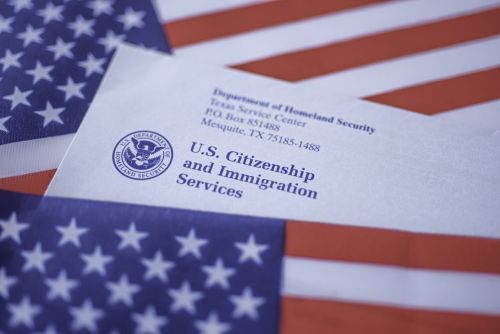
Finding out that you may need to register with the federal government can raise a lot of questions. Do you need to register? Have you already satisfied the alien registration requirements through your existing immigration documents? If you need to register, how do you do it? What happens if you fail to complete registration? Requiring noncitizens to register isn’t new. The new U.S. Citizenship and Immigration Services (USCIS) process gives people who have not previously registered a way to meet that obligation.
Key Takeaways
- Certain noncitizens are required to complete alien registration on the USCIS website.
- Many noncitizens have already satisfied registration requirements through existing immigration documents.
- Those required to register must do so through the USCIS online Form G-325R.
- Once registered, noncitizens must keep it current with change-of-address updates.
- Failure to register can result in civil and criminal penalties.
- Successful registration doesn’t automatically grant legal immigration status.
What Are Alien Registration Requirements?
Federal immigration law required aliens to register per the Immigration and Nationality Act (INA). The term “alien” refers to someone who isn’t a U.S. citizen or national. Executive Order 14159, issued January 20, 2025, directed the federal government to enforce existing registration requirements and establish a process for people who had not previously registered. In response, the Department of Homeland Security (DHS) issued an interim rule establishing a new registration form and process. The final rule took effect on June 29, 2026.
Who Must Register Under Federal Immigration Law?
With limited exceptions, any non-citizen (alien) who is 14 years of age or older, stays in the United States for 30 days or longer, and has not previously registered and fingerprinted must complete the alien registration requirements. Registration must be done with DHS on the USCIS website. This requirement was established under section 262 of the INA (8 U.S.C. 1302).
How Do You Register With USCIS?
There are two general methods for successfully completing alien registration: Form G-325R or a previous qualifying immigration process. For many people, they are registered and do not realize it because they have already submitted a qualifying immigration document to authorities. Several documents or circumstances are commonly recognized to establish prior registration under the applicable rules, including but not limited to:
- Green Card: Lawful permanent residents
- I-94: Issued Form I-94, I-94A, or I-94W (paper or electronic), including parole or visa entries
- Work Permit: Form I-766
- Border Crossing Card: Holders of a valid Border Crossing Card (Form DSP-150)
- Landing Permit: Qualifying crewmen issued Form I-95 or Form I-184
- Permanent or Temporary Resident: (Forms I-485, I-687, and I-698 when combined with fingerprinting)
- Admitted through expedited Trusted Traveler Program: NEXUS, SENTRI, FAST, or Global Entry
The first step is to determine whether you are already registered by checking whether any of these forms or situations apply to you. If they do, you may already be registered. An immigration lawyer can assist with determining whether you’ve met the alien registration requirements if you are unsure. Filing duplicate applications can create unnecessary confusion.
New Registration
If you aren’t already registered, you need to complete Form G-325R. It can only be submitted online, with each person creating their own account on the USCIS website. This also applies to minors under the age of 14. In these situations, parents or guardians must create a separate account for submitting Form G-325R on behalf of the minor. Individuals who are 14 or older must submit their own forms through their own USCIS accounts.
After you submit Form G-325R, USCIS will review your application and determine whether you need to attend a biometric services appointment. If fingerprinting is required, USCIS will provide instructions for completing that step. Not everyone who registers must attend an appointment, so follow the instructions provided for your individual case.
Once registration is successfully completed, proof of registration will be available in each person’s online USCIS account. That registration document shows compliance with alien registration requirements.
What Happens After You Register?
Under 8 U.S.C. § 1304(e), noncitizens 18 and older must carry and maintain evidence of their registration. The specific documents that each person is required to carry will vary based on their immigration status and the applicable regulations. Speaking with an immigration lawyer can provide individualized legal guidance on the specific documents each individual is required to have on their person.
Change of Address
Under 8 U.S.C. § 1305, noncitizens must notify the government within 10 days of moving. The procedures can change, so it’s important to review the USCIS website for the proper procedure applicable to your situation. Don’t rely on notifying the U.S. Postal Service or another organization as good enough to fulfill federal immigration notification requirements.
What Are the Consequences of Failing to Register?
On Jan. 20, 2025, President Trump issued Executive Order 14159, Protecting the American People Against Invasion, making failure to complete alien registration requirements a civil and criminal enforcement priority. Noncompliance may result in civil or criminal penalties, including criminal charges, fines, imprisonment, and immigration consequences. However, an administrative error can be treated differently and may not result in automatic removal or criminal prosecution.
This doesn’t mean that everyone who fails to register will face any or all of these consequences. The penalty imposed will depend on the applicable law, the person’s conduct, and the specific circumstances.
Can Alien Registration Affect Your Immigration Status?
Alien registration and immigration status are separate legal concepts. Successfully completing the alien registration requirements does NOT create or change your legal immigration status. Registration won’t change an illegal presence to a lawful one or protect the person from removal. It also cannot grant you a visa or green card.
Talk to a Lawyer About Your Status
If you entered the country without inspection and currently lack valid legal status, consulting an experienced immigration lawyer like Van T. Doan before submitting your registration can help you evaluate potential risks and understand your rights. Schedule a consultation to discuss your immigration status.
Categories: Immigration Law