
Menu
Can Your Social Media History Affect the Immigration Process?
Contributor: Van T. Doan
 Share
Share
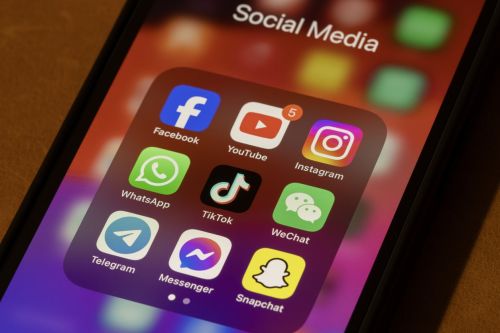
Amid recent policy changes regarding online presence review, many applicants seeking work or travel authorization, a green card, or citizenship have concerns about how their social media history may affect the immigration process. Social media screening has become a more prominent part of immigration vetting, with the extent of the review tied to the type of application and the overall circumstances of the case. However, unless posts are flagged due to security concerns, social media isn’t necessarily a disqualifying factor for immigration benefits. What usually matters to the United States Citizenship and Immigration Services (USCIS) is whether your social media history is consistent with the rest of your application.
Key Takeaways
- Immigration authorities use social media screening to ensure that an applicant’s online presence is consistent with the information provided in their visa or immigration application.
- Immigration officials generally review publicly available information and have the authority to require that certain applicants set their privacy settings to “open” or “public” for inspection.
- While it is important to ensure your online presence is truthful, you should not delete or purge your social media content close to the date you file for immigration benefits as this can raise credibility issues with the immigration authorities.
- Because the regulations concerning social media and immigration can be complex and are constantly evolving, it’s important to consult with an experienced immigration attorney before making changes to your social media profiles or submitting an application.
How Social Media Became Part of the Immigration Process
Reviewing social media history as part of the immigration process isn’t simply a rumor or occasional occurrence. It’s now a documented practice in how several immigration benefits are determined. For certain visa applicants, the Department of State requires disclosure of social media identifiers as part of expanded screening procedures. USCIS may also review publicly available online information when evaluating immigration benefit applications, particularly when there are eligibility, credibility, or security concerns. This broader emphasis on online vetting arises from Executive Order 14161, which directs agencies to adopt more rigorous and uniform vetting standards when making visa and immigration decisions.
Additionally, for certain categories of consular visa applicants, under the State Department’s rule, social media privacy settings must be set to “open” or “public” in order to allow consular officers to inspect the profiles. Any accounts used within the last five years must be disclosed, including those used in a personal or professional capacity, or on behalf of an organization. Deleting accounts or failing to disclose the required information can potentially result in a rejection of a visa or immigration benefits.
What Social Media Activity Can Actually Affect Your Case
Generally, immigration officers review social media accounts for inconsistencies between applications and online statements, good moral character, immigration intent, unauthorized work, security risks, and to confirm the authenticity of relationships. Even old posts can raise questions if they appear inconsistent with the eligibility requirements. In addition, if posts or accounts have been deleted, this may also be flagged during the immigration process as a credibility issue.
There are several common types of posts that are typically flagged during a social media review, ultimately impacting the immigration process. These include the following:
- Posts that contradict information given in an application or interview
- Undisclosed travel shown online
- Content tied to extremist or violent organizations that pose a national security threat
- Posts that indicate hostility toward U.S. institutions
- Videos or “check-ins” that demonstrate unauthorized work
- Relationship posts that don’t match a marriage-based petition
Critically, under 8 U.S.C. section 1182(a)(3)(B), online statements or affiliations can also trigger a terrorism-related inadmissibility ground, which can have serious consequences, including visa denial or inadmissibility to the United States. However, this area of the law is actively being contested as demonstrated by AAUP v. Rubio, a 2025 case concerning student visa revocations tied to political speech in which a federal court found the policy behind some of the revocations to be unconstitutional.
What the Government Isn't Doing with Your Accounts
Many people have concerns about how their social media accounts are being reviewed during the immigration process, and there are a lot of misconceptions. Not only is it essential to be aware of how your social media history can affect the immigration process, but it’s also important to understand the limits of what immigration officers can access and what information is subject to review. Immigration officers are generally only reviewing what is publicly posted and not demanding access to your passwords and private messages.
Protecting Your Case: What to Do Before You Apply
Before submitting your immigration or visa application, it’s best to review your social media privacy settings and ensure they are in compliance with the new regulations. However, you should not delete posts or attempt to clean up or purge your account before applying as a large amount of deletions close to a filing date can raise questions with USCIS. Ensure the story you tell online is truthful and consistent with the information that is included in your application.
It’s crucial to consult with an experienced immigration attorney before making any major changes to a social media profile or filing an immigration or visa application. This is particularly important if there is anything in your account or application that could be misconstrued or taken out of context. An immigration attorney can advise you regarding the best course of action and help ensure your application is accurate, consistent, and presented in the strongest possible light.
Contact an Experienced Immigration Attorney
If you have questions or concerns about how your social media history can affect your immigration process, it’s vital to consult with an experienced immigration attorney. To learn more about the new Executive Order and how the regulations could impact your case, contact us today.
Categories: Blog