
Menu
USCIS Issues New Policy Memorandum Raising the Bar for Adjustment of Status Discretion
Contributor: Van T. Doan
 Share
Share
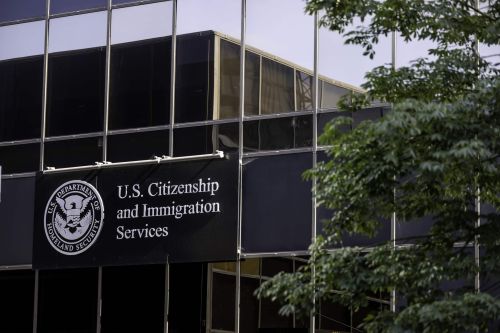
The United States Citizenship and Immigration Services (USCIS) recently issued a new policy that shifts how adjustment of status applications are evaluated. Adjustment of status is now characterized as a form of “extraordinary relief,” as opposed to an alternative to the ordinary consular visa process, marking a significant departure from prior practice. While adjustment of status has always been a discretionary matter, it was previously treated as a standard procedure for eligible applicants who were already present in the United States. However, due to the change in policy, applicants may now be required to justify why they should be permitted to adjust their status domestically instead of applying for a new visa abroad.
Key Takeaways
- USCIS now treats adjustment of status as a form of “extraordinary relief” rather than a standard alternative to consular visa processing.
- USCIS officers must now evaluate adjustment of status applications based on the “totality of the circumstances,” weighing both positive and adverse factors to determine whether a favorable exercise of discretion is warranted.
- The new policy applies to applicants seeking adjustment under INA 245, including family-based, employment-based, and diversity visa adjustments. It excludes specific refugee and humanitarian-based adjustments.
What is Adjustment of Status?
An individual may apply for adjustment of status to transition from a temporary visa to a Green Card, in order to become a lawful permanent resident. Specifically, adjustment of status allows you to remain in the U.S. and maintain your life while the application is pending and potentially avoid the potential consular bars associated with having to depart the country to have the visa processed abroad.
What is the New Adjustment of Status Policy?
Under the new guidance, USCIS officers must consider all relevant factors and information under the totality of the circumstances to determine whether a favorable exercise of discretion is warranted or an individual must go through the process of applying for an immigrant visa abroad. Officers must weigh both adverse and positive factors when conducting an analysis.
Adverse factors can include:
- Prior immigration violations
- Fraud or misrepresentation in dealings with USCIS
- Conduct inconsistent with the applicant’s nonimmigrant status
- Failure to depart when authorized stay ended
- Applying for AOS when consular processing was available
- Preconceived intent to circumvent the ordinary consular process
Positive factors that would be considered by USCIS include family ties in the United States, community presence, good moral character, economic contributions, and national interest considerations. Notably, the absence of negative factors alone is not sufficient. To overcome the presence of adverse factors, applicants must demonstrate “unusual or even outstanding equities.”
Who Does the New Policy Apply to?
The new policy applies to those who are seeking adjustment of status under INA 245 and can obtain an immigration visa abroad. It excludes the categories that would adjust status under other statutory provisions or those that are considered non-discretionary. The categories that are affected include family-based adjustments, employment-based adjustments, diversity visa adjustments, asylees, and certain humanitarian applicants.
USCIS specifically notes that the new policy does not apply to refugee-based adjustments and those seeking relief under the Nicaraguan Adjustment and Central American Relief Act of 1997, the Haitian Refugee Immigration Fairness Act of 1998, and Liberian Refugee Immigration Fairness.
What are the Risks for Pending and Future AOS Applicants?
A denied adjustment of status application can have serious consequences. These can include being placed in removal proceedings, or facing unlawful presence bars if you later leave the United States. Children who are protected under the Child Status Protection Act may also lose eligibility if an application is denied.
Since a denial cannot be appealed, it would require seeking a Motion to Reopen or a Motion to Reconsider. In some circumstances, the non-reviewability clause may be circumvented through an Administrative Procedures Act claim. If you are subject to the unlawful presence bar, you might consider filing an I-601A waiver. It’s vital that you have a skilled immigration attorney by your side who can discuss your specific case and guide you through the next steps to minimize long-term immigration risks.
How Can an Immigration Attorney Help?
If you are in the process of applying for adjustment of status, there are many ways an immigration attorney can help. For instance, they can prepare you for the interview questions that may arise in connection with discretionary risk factors and assist you with preparing compelling evidence of positive factors. An attorney can also evaluate whether adjustment of status is the best option for you, or consular processing poses fewer risks.
If your application is denied, an immigration attorney can advise you regarding the risks of removal proceedings, explore waiver options such as I-601 or I-601A waivers, and file motions to reopen or reconsider. In addition, they can help you develop an exit strategy if consular processing is necessary. While immigration law is changing rapidly, an attorney can adjust your strategy in the event new guidelines or interpretations impact your case.
Contact an Experienced Immigration Law Attorney
If you have questions or concerns about adjustment of status, it’s important to have a knowledgeable immigration attorney by your side who can best advise you. To learn more about the new policies and how they could impact you, contact us today.
Categories: Immigration Law